If you are thinking about buying your first rental property in Hurricane, WV, it is easy to focus on the purchase price and the rent you hope to collect. The harder part is making sure the numbers still work after taxes, repairs, permits, and turnover costs. A smart first rental starts with clear expectations, solid due diligence, and a plan that fits the local market. Let’s dive in.
Why Hurricane Looks Different
Hurricane is not a large, apartment-heavy rental market. Census QuickFacts estimates 7,367 residents in 2025, with a 67.3% owner-occupied housing rate, a median owner-occupied home value of $210,500, and a median gross rent of $878. That combination points to a market where you want to underwrite conservatively rather than assume big rent growth or easy cash flow.
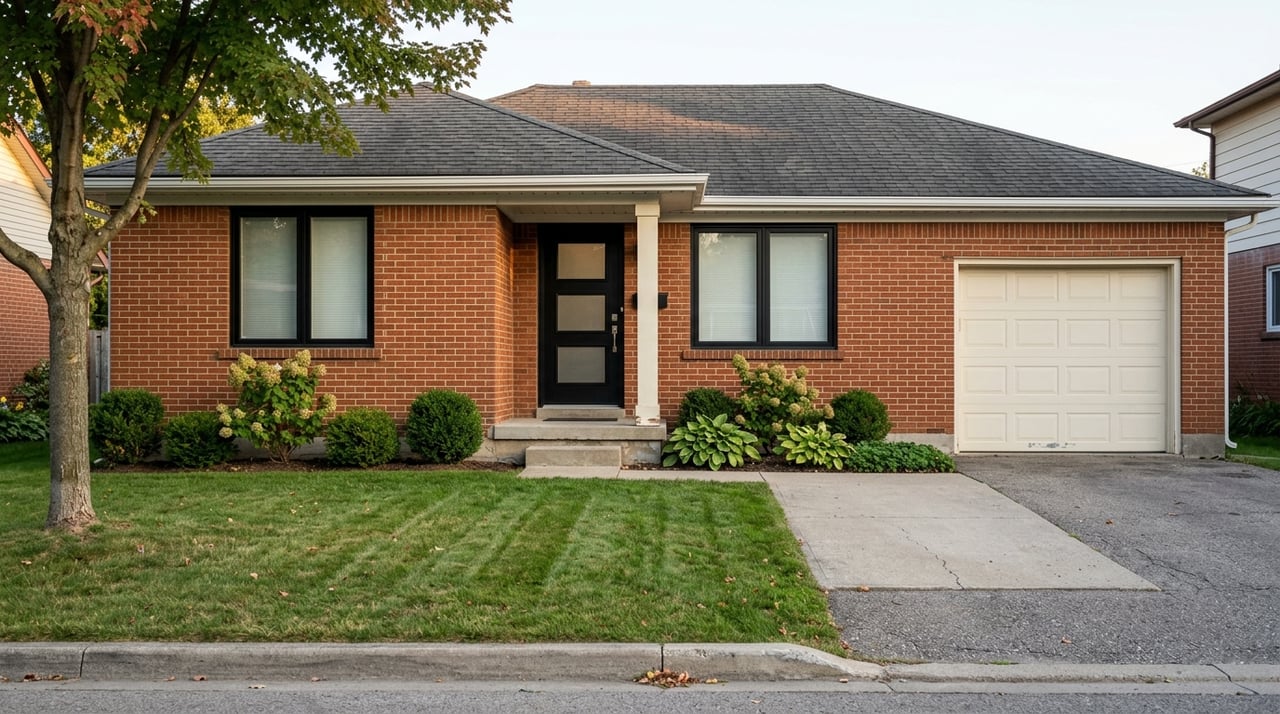
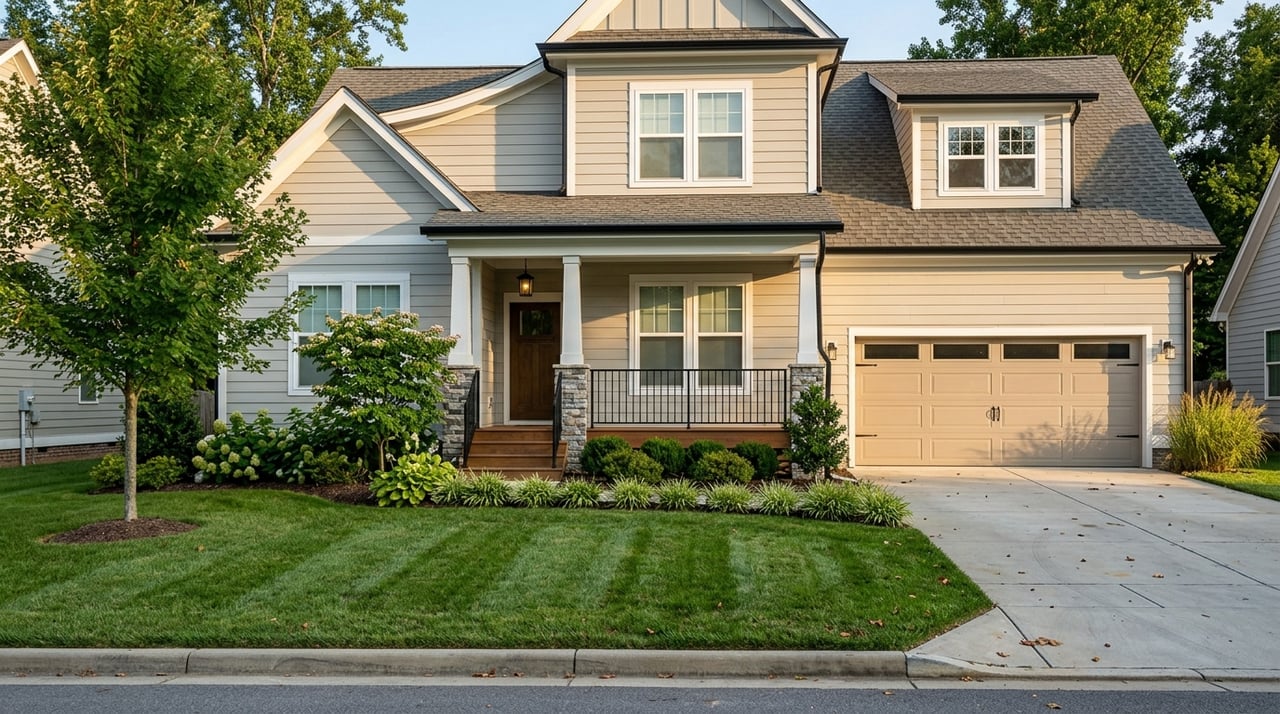
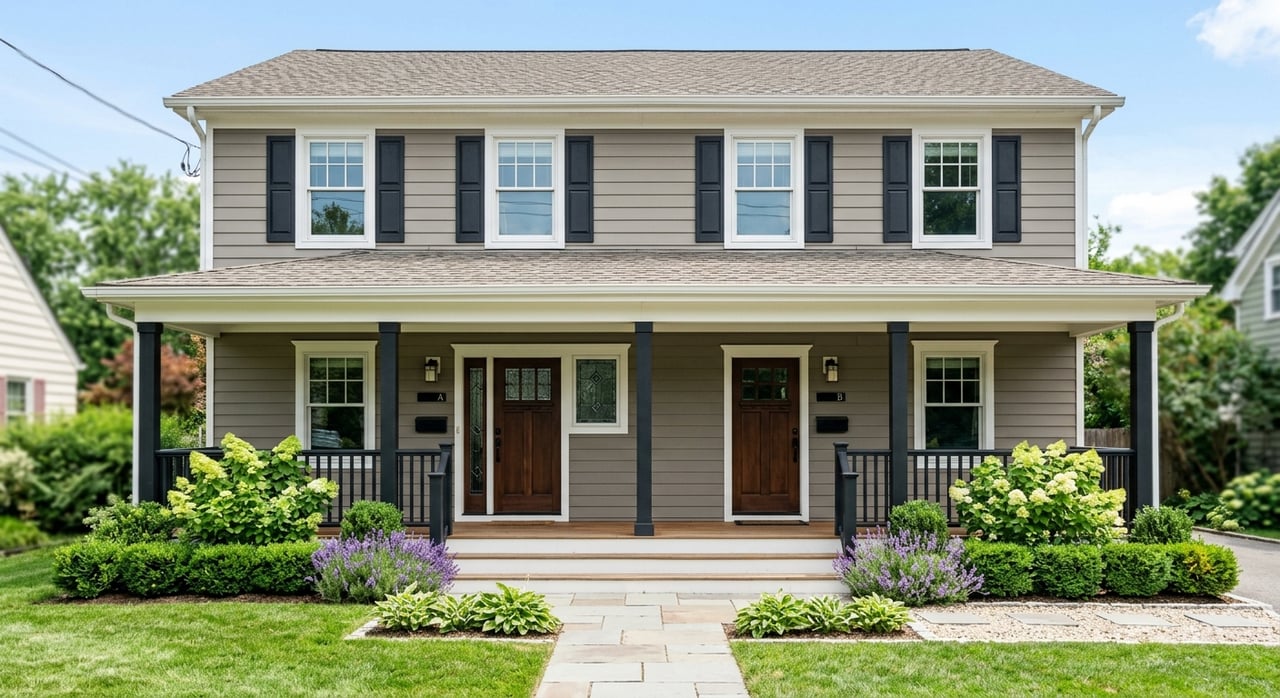
Putnam County’s 2024 comprehensive plan adds more context. It says single-family housing makes up 90% of residential structures, and most rental supply comes from non-conventional rentals such as houses, mobile homes, and properties with four units or fewer. For many first-time investors, that makes a house, duplex, or other small property the most realistic place to start.
Start With the Numbers
Before you tour properties, build a simple rental budget. Hurricane’s median gross rent of $878 works out to about $10,536 per year. Compared with the city’s median owner-occupied home value of $210,500, that is roughly a 5% gross yield before expenses.
That does not mean a property will be profitable. It means you need to account for vacancy, maintenance, taxes, insurance, and turnover costs before deciding a home is a good investment. In a smaller market like Hurricane, staying conservative can protect you from buying a property that looks fine on paper but struggles in real life.
Costs to model early
- Mortgage payment, if financing applies
- Property taxes
- Insurance
- Maintenance and repair reserves
- Vacancy reserve
- Turnover cleaning and minor make-ready work
- Utilities you may cover during vacancies
Check City Limits and Zoning First
One of the most important first steps is confirming whether the property is inside Hurricane city limits or in unincorporated Putnam County. The rules are not identical, and that can affect what use is allowed and what approvals you may need. If you are looking at a conversion, a duplex setup, or any property with mixed-use potential, zoning needs to be verified before you assume the plan will work.
Hurricane lists multiple zoning districts, and Putnam County also handles zoning and permits in the areas it regulates. This matters because a property that seems like an easy rental may come with limits on use, building changes, or future improvements. For a first-time landlord, that is a risk worth checking up front.
Pay Close Attention to Permit History
A rental property is only as good as its systems. In Hurricane, common work items such as electrical, HVAC, plumbing changes, windows, roofs, siding, decks, driveways, fences, pools, gutters, and site work may require permits or inspections. That makes permit history more than a paperwork issue.
If a seller replaced major systems without permits, you could inherit hidden repair issues or future compliance work. A new roof or updated HVAC sounds great, but you still want to know whether the work was done properly and inspected when required. This is especially important if you are trying to avoid surprise costs in your first year of ownership.
Red flags to ask about
- Recent major repairs with no documentation
- Added bedrooms or converted spaces
- New decks, fences, or driveways without permit records
- Plumbing or electrical updates with unclear timelines
- HVAC replacement with no service history
Understand West Virginia Property Taxes
Property taxes can change the math quickly. West Virginia generally assesses property at 60% of fair market value, and tax bills are issued on or after July 15, with installments due September 1 and March 1. The tax classification also matters.
Owner-occupied residential property is Class II, but non-owner-occupied property is treated differently. In a municipality, it is Class IV. Outside a municipality, it is Class III. Using Hurricane’s median home value of $210,500, the assessed value would start around $126,300 before local levies, so your tax bill should be part of your cash-flow review from the beginning.
Focus on Condition, Not Cosmetics
For a first rental, durable condition usually matters more than trendy finishes. Putnam County’s plan says 23.6% of renter-occupied units were built before 1970, and it notes incomplete plumbing as a local housing issue. That means plumbing, drainage, moisture, and general upkeep deserve close attention.
When you walk a property, look past paint color and countertops. Pay attention to water pressure, bathroom ventilation, crawlspace odor, signs of leaks, foundation moisture, sewer or septic concerns, and whether windows and doors function well. These are the issues that can turn a promising property into a maintenance-heavy one.
Systems worth extra attention
- Plumbing lines and water pressure
- Drainage around the home
- Roof age and visible wear
- HVAC condition and service records
- Crawlspace or basement moisture
- Sewer or septic condition
- Window function and exterior sealing
Don’t Skip Flood Checks
Flood risk needs its own review. Putnam County provides flood information services and directs buyers to official FEMA flood maps. The county also explains that floodway and floodplain areas are regulated, with fill not permitted in the floodway and discouraged in the floodplain.
In practical terms, you should treat water concerns as serious underwriting issues. Water stains, musty crawlspaces, repeated sump-pump use, and yard drainage toward the foundation can point to ongoing risk. Even if the house looks clean at first glance, moisture problems can lead to repairs, tenant complaints, and more frequent turnover.
Know the Lead-Paint Rules for Older Homes
If the home was built before 1978, lead-based paint rules matter. Federal law requires lead-based paint disclosure for these homes, and renovation or repair work that disturbs lead paint must follow lead-safe requirements. This is especially relevant if your first plan is to buy a fixer-upper and make updates before renting it out.
Older homes can still be solid rental options, but you want to go in with your eyes open. If repairs are needed, make sure you understand the added steps and costs that may come with older construction materials and surfaces.
Choose Features Tenants Will Actually Use
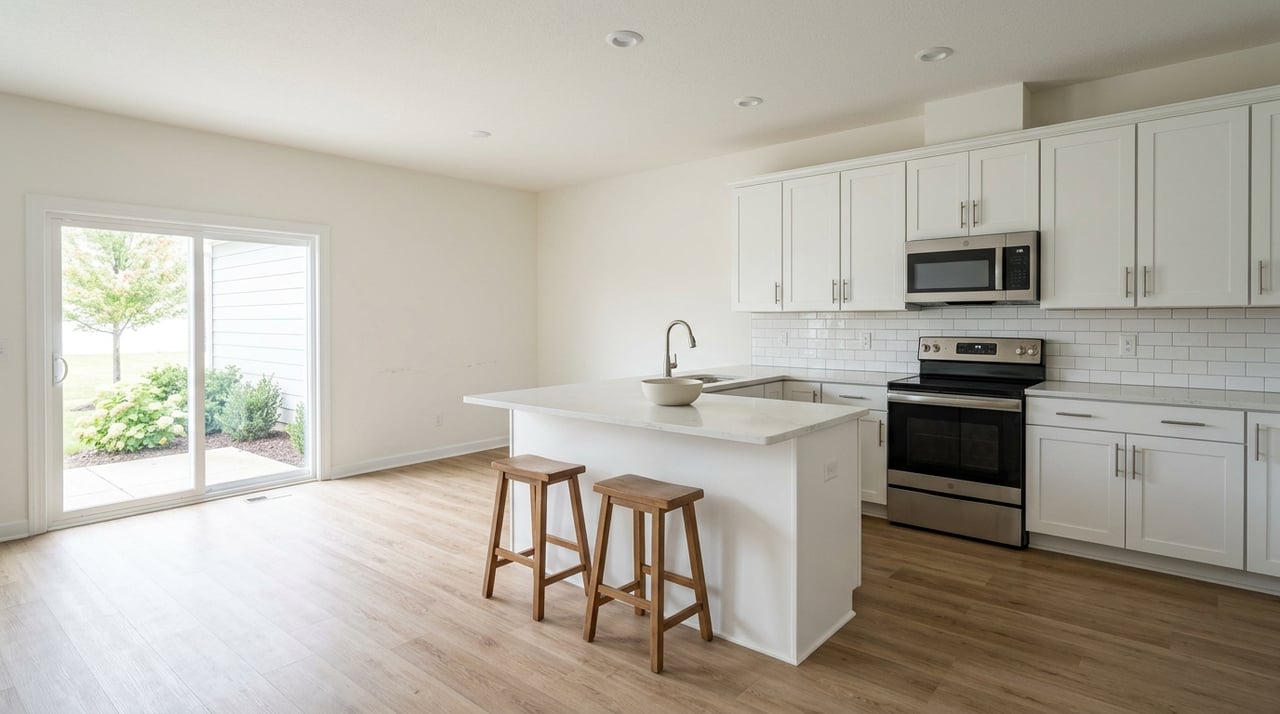
In Hurricane, practical features often matter more than luxury upgrades. With broadband subscriptions in 95.9% of households, internet-ready service is likely an expectation rather than a special perk. Dependable HVAC, secure entries, functional windows, and easy-to-maintain finishes can support a better tenant experience and reduce maintenance calls.
This is good news for first-time investors because it points toward smart, durable improvements instead of expensive overbuilding. You do not need every trendy finish to make a property appealing. You do need a home that feels functional, reliable, and easy to live in.
Plan for Turnover and Utilities
Turnover details can create more hassle than many first-time landlords expect. The City of Hurricane offers a landlord or owner water-and-sewer service agreement to help transfer utility responsibility when a unit turns over. That can reduce confusion during move-in and move-out.
Small process steps like this matter because they help you stay organized. A smoother turnover can reduce utility disputes, shorten vacancy time, and make the rental easier to manage from one tenant to the next.
Build a Clear Landlord Process
If you want your first rental to feel manageable, your systems matter as much as the house itself. West Virginia’s security-deposit law limits what a deposit can be used for, including rent due, tenant-caused damage beyond normal wear and tear, certain unpaid utilities paid by the landlord, storage or removal costs, and other lease-based charges. The law also requires written itemization within the applicable notice period.
The West Virginia Attorney General’s renters-rights guidance also stresses clear written agreements and proper legal process. That means no lockouts, no utility shutoffs to force a move, and no eviction outside the court process. For you, the best approach is a written lease, documented move-in condition, repair records, and consistent communication from the start.
Good habits for a first landlord
- Use a written lease
- Document move-in condition with photos and notes
- Keep repair and maintenance records
- Set objective written screening criteria
- Apply your process consistently
- Track security-deposit deductions carefully
Use Fair Housing-Safe Screening
From day one, your rental process should be consistent and objective. The Fair Housing Act prohibits discrimination in renting based on race, color, national origin, religion, sex, familial status, and disability. HUD also explains that landlords may have obligations when a tenant requests a reasonable accommodation or modification related to disability.
A simple way to protect yourself is to use written screening criteria and apply them the same way to every applicant. Keep records, stay consistent, and avoid informal decision-making that can create confusion or risk. This not only supports compliance, but it also helps you run your rental more professionally.
Best First Steps in Hurricane
If you are just getting started, keep your plan simple. In Hurricane, a small single-family rental or duplex may be a more practical first investment than a larger building. The local housing mix, rent levels, and permitting environment all support taking a careful, step-by-step approach.
The right first rental is not always the cheapest one or the one with the highest advertised rent. It is the one that still makes sense after you verify zoning, review taxes, check permit history, understand flood or moisture risks, and budget for repairs and vacancy. That kind of steady approach can help you make a more confident decision.
If you want a local perspective on buying a rental in Hurricane or the surrounding area, Jan Ramey can help you evaluate properties with clear communication and practical insight.
FAQs
What type of rental property makes sense in Hurricane, WV?
- In many cases, a single-family home, duplex, or other small-scale property is the most realistic starting point because Putnam County’s housing stock is heavily weighted toward single-family homes and small rental formats.
What should you check before buying a rental in Hurricane, WV?
- You should confirm whether the property is inside city limits or in a county-regulated area, verify zoning, review permit history, estimate property taxes, and check for flood, drainage, plumbing, and maintenance concerns.
How do property taxes work for a rental in Hurricane, WV?
- West Virginia generally assesses property at 60% of fair market value, and non-owner-occupied property is taxed under different classes than owner-occupied homes, so you should confirm the correct classification and expected bill before closing.
Why is flood risk important for a Hurricane, WV rental?
- Floodplain and drainage issues can affect repair costs, insurance needs, and long-term maintenance, so signs like water stains, musty crawlspaces, or poor yard drainage should be taken seriously.
Do older rental homes in Hurricane, WV need extra review?
- Yes, especially if the home was built before 1978 or has older plumbing and maintenance issues, because lead-paint disclosure rules and deferred system repairs can add cost and complexity.
What features matter most to tenants in Hurricane, WV?
- Reliable internet access, dependable HVAC, secure doors, functional windows, and durable finishes are practical features that can support tenant satisfaction and help reduce maintenance calls.