Trying to choose between an older home and a newer one in Hurricane, WV? You are not alone. Many buyers here are weighing charm and established lots against open layouts and newer systems, all while trying to keep monthly costs comfortable. The good news is that Hurricane offers both, and knowing what to compare can help you make a more confident decision. Let’s dive in.
Hurricane Homes Span Multiple Eras
Hurricane is a small, mostly owner-occupied market, which gives many buyers a practical middle ground rather than an extreme high-end or bargain-only search. Census QuickFacts lists a 2025 population estimate of 7,367, an owner-occupied housing unit rate of 67.3%, a median owner-occupied home value of $210,500, and median monthly owner costs with a mortgage of $1,440.
That matters because your choice between older and newer homes in Hurricane is often less about luxury and more about value over time. You are likely comparing purchase price, repairs, utility costs, and upkeep together, not just looking at the list price.
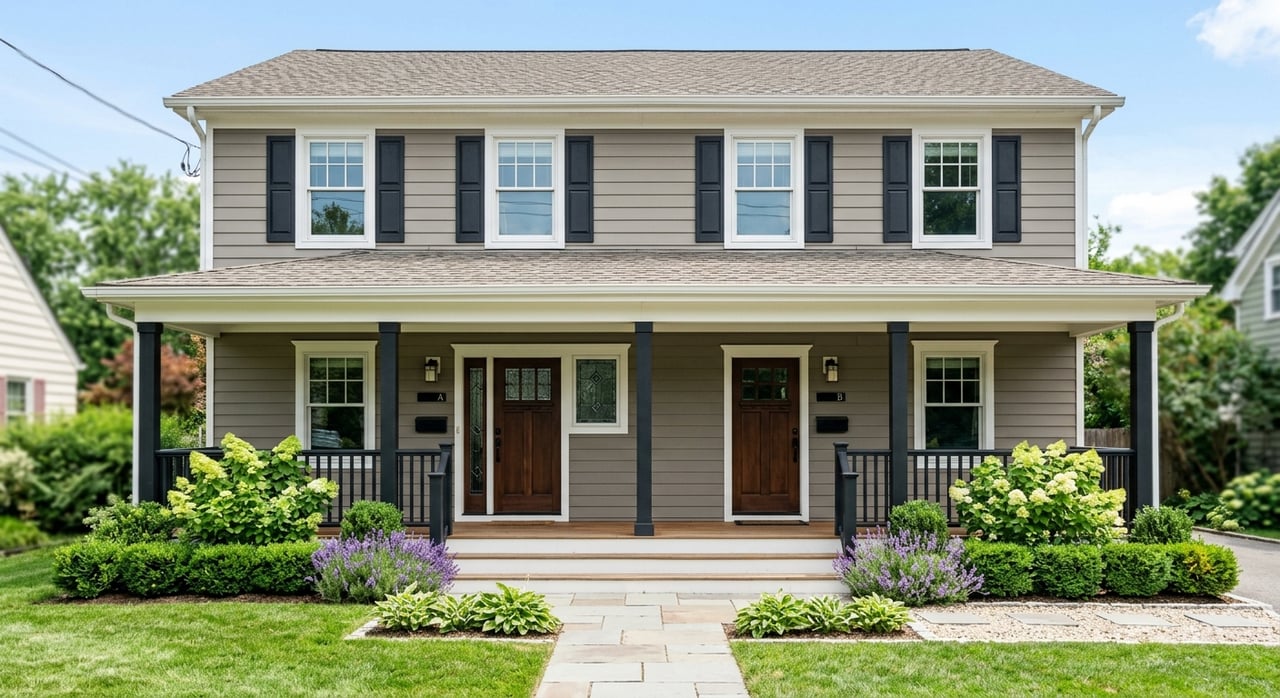
Current Hurricane-area listings also show a real mix of home ages. Examples include homes built in 1960, the early 1990s, the mid-2000s, and even 2024 construction. In other words, you may see very different property types and condition levels in the same home search.
Older Homes in Hurricane
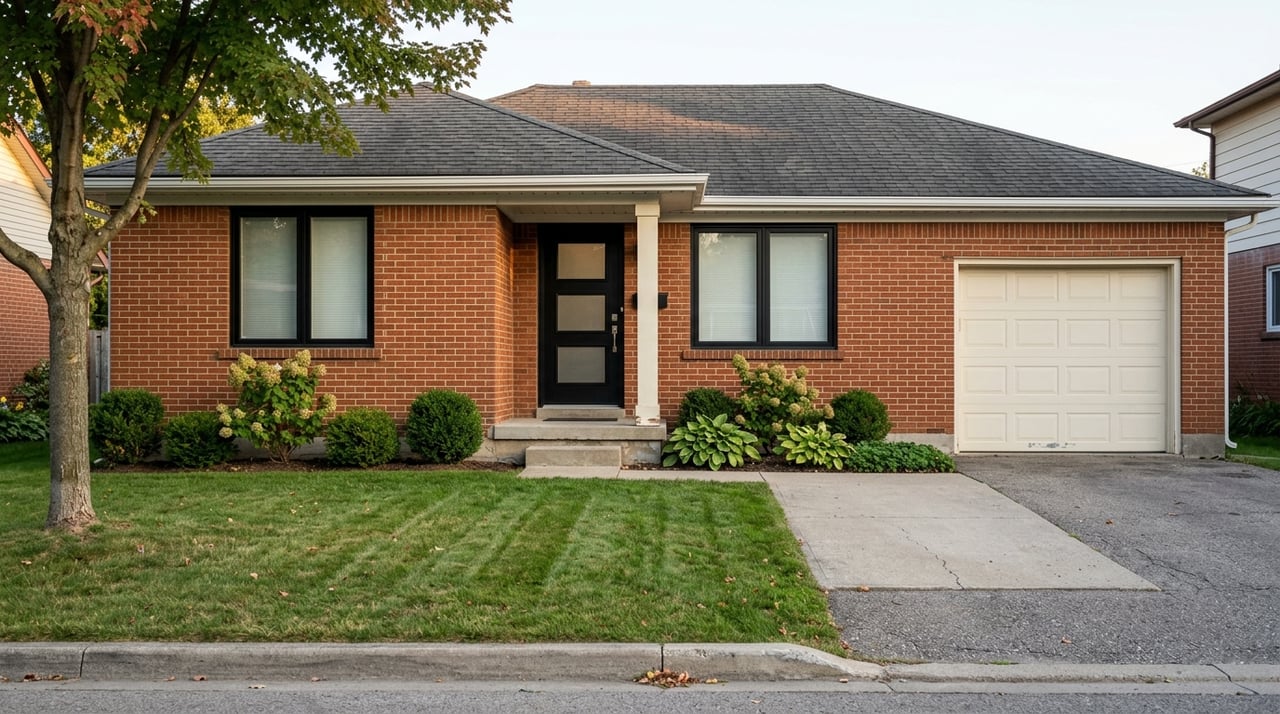
Older homes often attract buyers who want character, established surroundings, and features that may be harder to find in newer construction. In Hurricane, examples of older homes include properties with brick exteriors, finished family rooms, garages or workshop space, hardwood floors, insulated windows, and larger interior footprints.
That variety is important. An older home does not always mean small, dated, or untouched. Some have already had useful updates, while others may offer the chance to improve the home over time.
Why Buyers Like Older Homes
Many buyers are drawn to older homes because they can feel more settled and traditional. Established lots, mature landscaping, and classic exterior materials like brick often stand out right away.
You may also find floor plans with separate living spaces, finished lower levels, or flexible rooms that have evolved with previous owners. For some households, that kind of layout works better than a newer open-concept design.
What to Watch Carefully
The biggest tradeoff with older homes is usually maintenance and retrofit work. The U.S. Department of Energy says older homes often have less insulation than homes built today, which means comfort and energy costs can become part of the conversation quickly.
DOE also notes that air sealing and insulation can help reduce heating and cooling costs, improve comfort, support durability, and reduce moisture problems. So if you are considering an older home, it is smart to look beyond finishes and ask how the home performs day to day.
Here are a few practical questions to ask when evaluating an older home in Hurricane:
- Has the insulation been inspected?
- Has the home been air sealed?
- What updates have been made to windows, heating, or cooling systems?
- Are there signs of moisture issues in lower levels or crawl spaces?
- If the lot is low-lying or near drainage, has flood risk been checked on official maps?
Lead Paint Matters in Pre-1978 Homes
If a home was built before 1978, lead-based paint is an important consideration. The EPA says older homes are more likely to contain lead-based paint, and buyers of most pre-1978 housing have the right to know whether lead-based paint hazards are present before signing a contract.
That does not mean every pre-1978 home is a problem. It does mean you should confirm whether the required disclosure has been provided and understand what is known about the property before moving forward.
Newer Homes in Hurricane
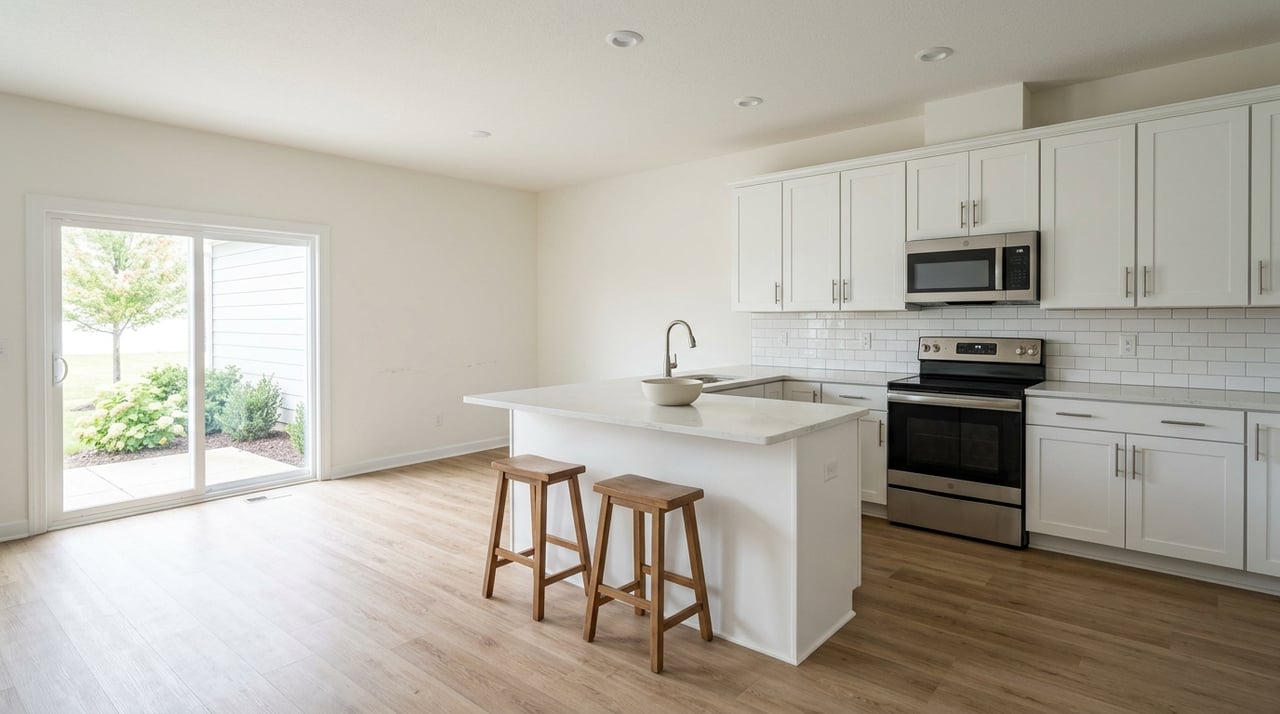
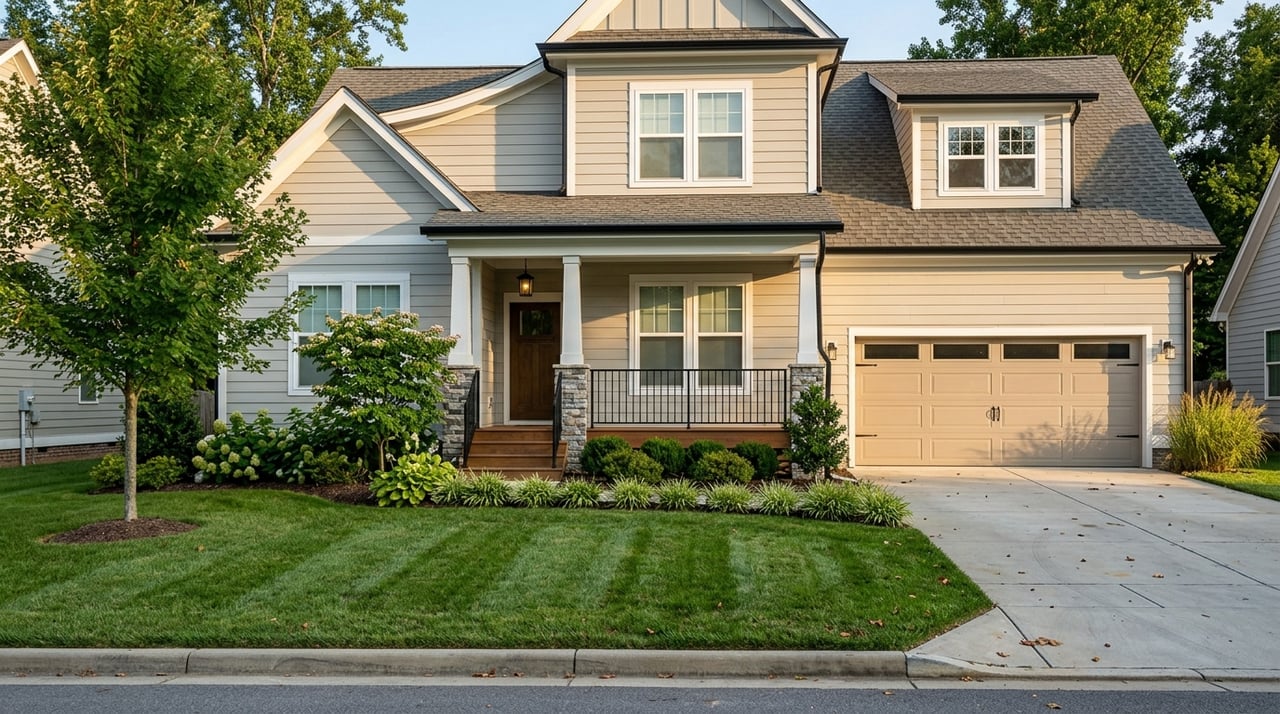
Newer homes in Hurricane often appeal to buyers who want simpler maintenance, more modern layouts, and newer major systems. Local examples from the mid-2000s and newer construction commonly highlight open floor plans, first-floor living, updated fixtures, and modern heating and cooling features.
For many buyers, that translates into a home that feels more move-in ready. You may spend less time wondering what needs immediate attention and more time focusing on how the space fits your routine.
Why Buyers Like Newer Homes
Newer homes often prioritize the way many people live today. Open kitchens, connected living areas, and main-level bedrooms or baths can be more convenient for daily life.
Energy performance can also be a major plus. DOE says it is generally more cost-effective to add insulation during construction than to retrofit later, and new homes should be air sealed and designed with moisture control in mind.
That does not guarantee every newer home will perform the same way, but it does mean newer construction may offer stronger energy-efficiency potential from the start.
Newer Does Not Always Mean the Same Thing
One thing buyers should remember is that “newer” is not one single category. In current Hurricane examples, 2024 homes included both a manufactured home that sold for $196,500 and a single-family home that sold for $445,000.
That spread shows why it helps to ask more detailed questions. A newer home may have a recent build date, but price, construction type, finish level, and layout can still vary a lot.
Questions to Ask About Newer Homes
If you are comparing newer options, focus on function as much as age. A new build or recently built home should still match your day-to-day needs and budget.
Ask questions like these:
- Is the floor plan practical for your household?
- What energy features are included?
- What type of home is it, such as single-family or manufactured?
- What are the heating and cooling systems?
- Is there enough storage, parking, and outdoor space for how you live?
Flood Risk Should Be Checked on Any Home
In Hurricane, flood risk is one of the most important due diligence steps for both older and newer homes. Age alone does not tell you whether a property may be affected.
West Virginia’s Flood Tool is an official interactive map developed with the West Virginia GIS Technical Center, the state Division of Homeland Security and Emergency Management, and FEMA. It shows 1% annual chance floodplain boundaries and advises users to consult official FEMA flood maps and certified elevation data if there is any doubt about a property’s flood risk.
That means every buyer should check the specific property, not make assumptions based on neighborhood appearance or home age. This is especially important if the lot sits low, backs to drainage, or has any sign of water-related concerns.
Older vs. Newer: What Really Matters
The best choice is not about picking a winner between old and new. It is about matching the home to your budget, comfort preferences, and willingness to handle updates or maintenance.
An older home in Hurricane may offer character, brick construction, and an established setting. A newer home may offer open living spaces, more modern systems, and better energy-efficiency potential. Both can be good options, and both deserve careful review.
A helpful way to compare them is to look at the total picture:
| Factor | Older Home | Newer Home |
|---|---|---|
| Layout | May have more separate rooms or finished lower levels | Often more open and geared to modern living |
| Lot and setting | Often more established | May feel newer and lower maintenance |
| Systems | May need closer review for insulation and updates | Often includes more modern systems |
| Energy potential | May improve with upgrades | May have stronger efficiency from the start |
| Risk review | Check age-related disclosures and condition | Check build type, features, and actual function |
How to Make a Smart Decision in Hurricane
If you are torn between an older and newer home, start by thinking about how long you plan to stay and how much work you want to take on. A home that needs updates may still be a great fit if the layout, lot, and price leave room for improvements over time.
On the other hand, if predictable maintenance and energy performance are top priorities, a newer home may feel like the better match. Neither path is automatically better. The right answer depends on your goals.
As you narrow your options, it helps to compare homes through a practical lens:
- Monthly payment
- Likely maintenance needs
- Utility efficiency potential
- Layout fit for your daily life
- Flood-risk review
- Required disclosures for older homes
When you look at homes this way, the decision usually becomes much clearer.
Whether you are buying your first home, moving up, or relocating into the area, having a local guide can make the comparison process much easier. If you want help weighing older versus newer homes in Hurricane and sorting through the details that matter most, Jan Ramey is here to help.
FAQs
What is the main difference between older and newer homes in Hurricane, WV?
- Older homes in Hurricane may offer character, brick exteriors, established lots, and updated spaces over time, while newer homes often offer open layouts, modern systems, and stronger energy-efficiency potential.
Are older homes in Hurricane, WV always less expensive than newer homes?
- Not necessarily. Hurricane homes span a range of ages, finishes, and property types, so total cost depends on more than the build year alone.
What should you check before buying an older home in Hurricane, WV?
- You should ask about insulation, air sealing, system updates, moisture concerns, flood-risk review, and whether any required lead-based paint disclosure has been provided for pre-1978 homes.
What should you ask about a newer home in Hurricane, WV?
- You should ask whether the layout fits your household, what energy features are included, what type of build it is, and how the heating and cooling systems compare with other options.
Should flood risk be checked for both older and newer homes in Hurricane, WV?
- Yes. Official West Virginia flood-mapping tools should be reviewed for any property because flood risk should not be assumed based on home age.
Is Hurricane, WV a market where buyers compare both older and newer homes?
- Yes. Current local examples show homes from multiple build eras, including 1960, the 1990s, the 2000s, and recent new construction, so buyers often see both types in the same search.