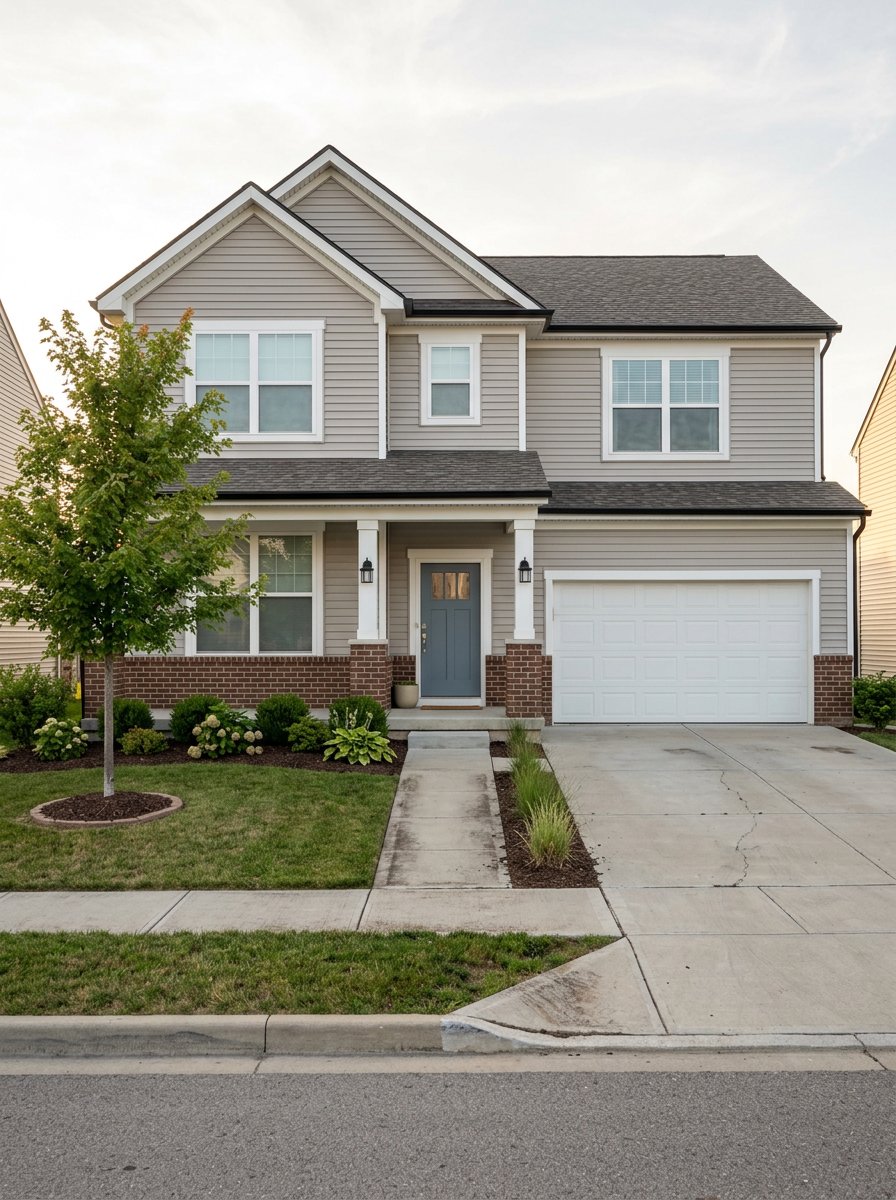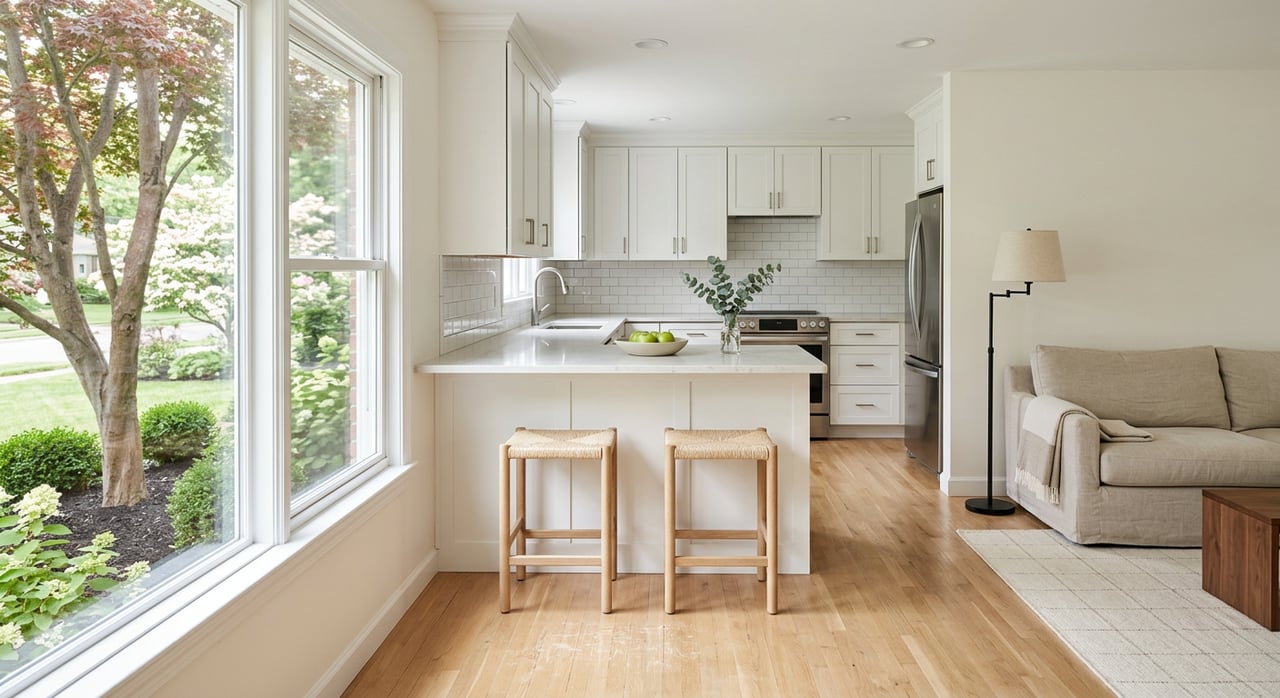
Thinking about putting your Hurricane home on the market and not sure what really happens next? You’re not alone. Selling touches a lot of moving parts, from pricing and paperwork to inspections and closing costs. Here’s a clear, local walkthrough of what to expect so you can list with confidence and move on your timeline. Let’s dive in.
Hurricane market snapshot
Before you price, look at recent local activity. A recent snapshot shows Hurricane’s median sale price around $215,000 with a typical 37 days on market for closed sales, which helps set expectations for timing and demand (Hurricane market snapshot). Countywide, listing and sale medians can skew higher; Putnam County reports a median near $290,000, and some city-level feeds show Hurricane listing medians around $349,450 (Putnam County overview).
Online medians often differ because they use different time windows and include list prices, not just closed sales. Your best pricing baseline is a Comparative Market Analysis built from recent closed sales in Hurricane and nearby Putnam County neighborhoods. Use the portal data for context, then rely on verified MLS comps to fine-tune your list price.
Pre-listing checklist
Getting a few things ready upfront helps you launch smoothly and avoid delays later.
- Paperwork to gather: deed or title info if available, recent tax bills, utility averages, HOA contact and resale documents if applicable, surveys or prior inspections, appliance manuals and warranties, and any permits for major work.
- West Virginia disclosures: WV is generally treated as a buyer-beware state. There is no single statewide, mandatory property condition disclosure, but you should share material facts you actually know, and licensees must not misrepresent the property (WV seller disclosure overview). Many sellers still complete a voluntary condition form because buyers and lenders expect it.
- Agency disclosure: WV licensees present an agency/representation disclosure so everyone understands who represents whom in the transaction. Ask your agent to review this with you early.
- Lead-based paint: if your home was built before 1978, federal law requires a lead disclosure and delivery of the EPA/HUD pamphlet (lead disclosure rule).
- Consider a pre-listing inspection: a seller inspection can flag small issues before buyers see them and can reduce renegotiations later. Scope typically covers structure, roof, major systems, plumbing, electrical, and HVAC under national standards (inspection scope reference).
- Local systems: if you’re on a private well or septic, expect buyer testing requests. If you are near a waterway or low-lying area, be ready to discuss flood maps and insurance status.
Pricing and launch plan
Price with purpose. Start with a current CMA based on closed Hurricane and nearby Putnam comps, then adjust for condition, usable land, proximity to everyday routes like I-64, and recent upgrades. If you see a gap between portal list medians and closed-sale medians, ask your agent to explain how that affects your price and strategy.
Strong early exposure is key. Before day one, line up:
- Professional photography, plus twilight exteriors if it fits your home.
- Accurate room measurements and a simple floor plan.
- Clear, benefit-forward listing copy that highlights local strengths like commute access, outdoor space, and storage.
- A marketing brief for buyer agents and a targeted open house or broker preview.
Your MLS input should be complete and accurate at publish time so syndicated sites pick up the right data from day one.
First three weeks timeline
The first 1 to 3 weeks are your highest-visibility window. Plan your activity so you capture that momentum.
Week 0: Prep and final decisions
- Finish staging and light repairs.
- Confirm photography, measurements, and listing details.
- Set your minimum acceptable terms, including timing and any items that will or will not convey.
Week 1: Go live and gather feedback
- Listing launches with full media and details.
- Hold a broker preview or open house, and keep showing windows flexible.
- Expect the most traffic early, and review feedback nightly to spot quick fixes that can boost appeal.
Week 2: Evaluate and adjust
- Compare showings to inquiries and offers.
- If needed, consider a measured price adjustment or minor repairs to remove common objections.
- If multiple offers arrive, review price and net proceeds, financing strength, inspection and appraisal contingency terms, and timing.
Week 3 and beyond: Choose your path
- If you do not have the right offer yet, reassess pricing and marketing.
- If you are under contract, shift to inspections, appraisal, and title work.
- Keep communication steady so you stay ahead of deadlines.
Pro tip: Keep your home show-ready, especially the first week. Many buyers tour twice before writing.
From offer to closing
After you accept an offer, you enter the contingency period and closing prep. Here is what to expect.
- Inspections: most buyers include a general home inspection. If you have a well or septic, expect those tests too. Some buyers also request a radon test.
- Appraisal: if the buyer is financed, the lender orders an appraisal to confirm value. Timing varies by appraiser availability.
- Financing: the buyer’s lender works through underwriting while the title company clears title and prepares closing.
- Typical closing timeline: many financed Hurricane-area transactions close in about 30 to 45 days from a ratified contract, with cash closing faster when title is clear (WV closing timeline guide).
Local closing costs
Plan for a few state and county costs at settlement.
- West Virginia excise tax: the state charges $1.10 per $500 of value, with a county component that can add to the rate. This tax is paid when the deed is recorded and is usually a seller expense unless your contract says otherwise (WV excise tax code).
- Putnam County recording fees: expect per-page recording fees and a consideration-based deed surcharge. The County Clerk publishes a current fee schedule, which your title company will use to calculate totals (Putnam County recording fees).
Ask your agent or settlement officer for a preliminary seller net sheet so you know your estimated proceeds before you list.
Environmental checks buyers ask about
- Flood risk: parts of Putnam County include mapped floodplains. Lenders for federally backed mortgages check Special Flood Hazard Area status, and properties in an SFHA typically require flood insurance. You can review the steps to check maps through the FEMA Map Service Center (FEMA flood map how-to).
- Radon: the EPA recommends testing all homes for radon. If levels are elevated, mitigation is common and typically straightforward, with costs that vary by foundation and system type (EPA radon guidance).
- Lead-based paint: homes built before 1978 require the federal lead disclosure and pamphlet.
- Well and septic: if applicable, buyers usually order tests and may request repairs based on the results.
How I help you sell
You deserve a calm, clear plan. My approach pairs deep local knowledge with a structured launch that concentrates demand in the first three weeks. I help you set a market-right price, prepare your home, field feedback, and negotiate the best overall terms, not just the top-line number.
With more than 40 years in the area and a background that includes homebuilding and rental ownership, I flag condition items early, help you weigh repair decisions, and keep communication steady so you are never guessing what comes next.
Ready to talk through your timing and a custom plan for your home? Let’s connect and map your next steps with confidence. Reach out to Jan Ramey to get started.
FAQs
Do I have to complete a seller disclosure in West Virginia?
- West Virginia does not require a single statewide property condition disclosure form, but you should disclose material facts you know, and many sellers complete a voluntary form for buyer and lender confidence.
How long does selling a Hurricane, WV home usually take?
- Many financed sales run about 30 to 45 days from an accepted offer to closing, with the most buyer activity often in the first 1 to 3 weeks after listing.
What contingencies should I expect as a Hurricane, WV seller?
- Common contingencies include a general home inspection, well and septic checks if applicable, a radon test if requested, financing approval, and an appraisal for financed buyers.
What are typical seller-paid costs in Putnam County, WV?
- Expect West Virginia’s deed excise tax, county recording fees, and standard title and closing costs as outlined by your settlement provider, plus any agreed repairs or credits.
Will buyers ask about flood zones and radon in Hurricane, WV?
- Yes, lenders check flood status for financing, and many buyers test for radon; be ready to discuss maps, insurance status, and any recent test results or mitigation.