"These plans have a 20-year life, and it expired." That's how Ronald Butlin, executive director of the Charleston Urban Renewal Authority, explained to City Council on July 20, 2026, why the East End needed a new community renewal plan drafted from scratch. The old one, adopted in 2005, had quietly lapsed in January 2025. Council voted that night to declare parts of the East End blighted and put the Urban Renewal Authority back to work along Washington Street East.
Most people searching "Charleston WV neighborhoods" never see that vote. They see a median price. And right now, two of Charleston's best-known neighborhoods are reporting numbers close enough to look interchangeable. If you're comparing South Hills to Kanawha City on price alone, you're comparing two numbers that happen to land near each other for completely different reasons. That gap between what the median says and what it actually means is the whole story this month.
Two Neighborhoods, One Number
As of mid-2026, single-family list prices in South Hills and Kanawha City sit within about a thousand dollars of each other, both hovering in the high $280,000s to $290,000 range. On paper, that reads like two similar markets. Drive both neighborhoods and the similarity stops at the number.
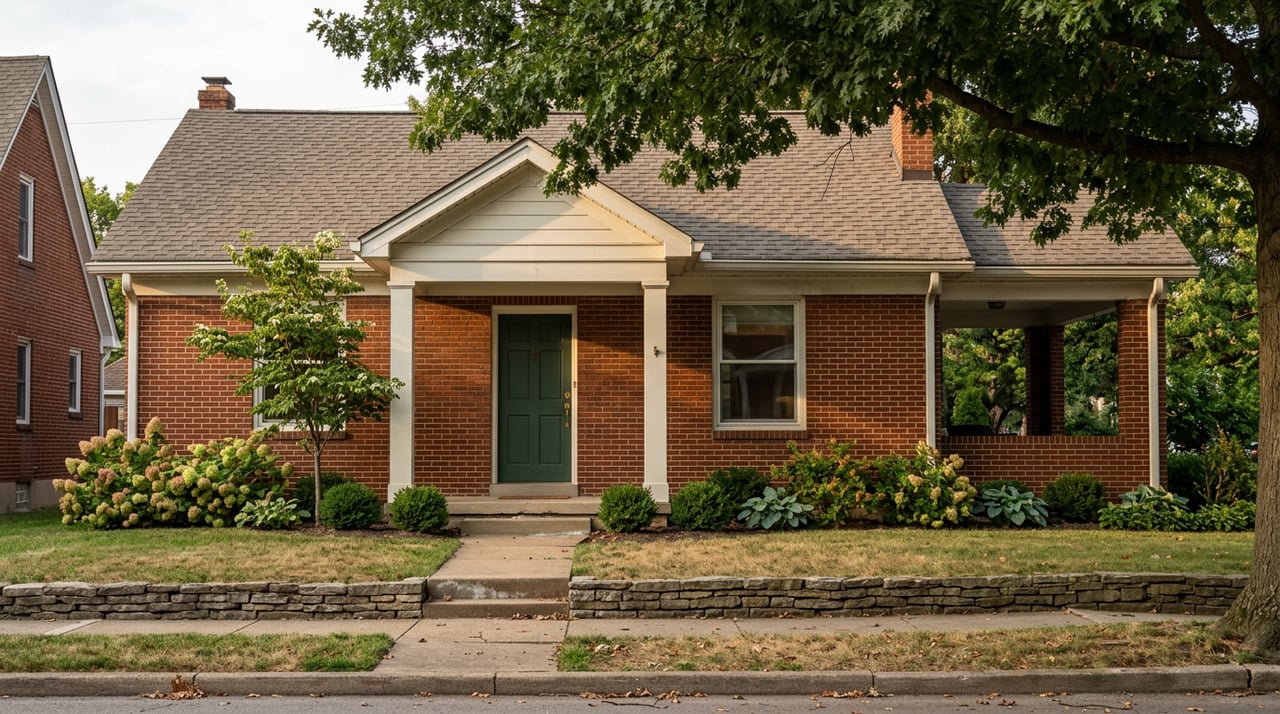
South Hills climbs the hillside above downtown along winding streets that pass small cottages and ranch homes a few blocks from Colonial Revival and Georgian-style houses built for a much bigger budget. The neighborhood includes Oakmont Park, the Wallace Hartman Nature Preserve, and the Bridge Road corridor of locally owned shops, all within the same few square miles as the Stonehenge subdivision's larger lots. Kanawha City sits along the river, anchored by the University of Charleston and the MacCorkle Avenue commercial strip, with a housing stock that runs more consistently through mid-century brick ranches and post-war construction.
One neighborhood is a wide spread pretending to be a single market. The other is closer to what it looks like on the label.
| Neighborhood | Housing Mix | Anchors Nearby |
|---|---|---|
| South Hills | Cottages and ranches alongside larger Colonial Revival and Georgian-style homes | Bridge Road shops, Oakmont Park, Wallace Hartman Nature Preserve |
| Kanawha City | More consistent mid-century brick and post-war stock | University of Charleston, MacCorkle Avenue corridor |
| East End | Late 19th and early 20th century housing, mixed condition | Washington Street East, East End Historic District |
What the Average Hides in South Hills
Here's where the median gets misleading. One widely used data provider's May 2026 reading for South Hills put the median sale price above $350,000, a jump of more than 20 percent year over year. Another source's citywide comparison from the same general period puts South Hills closer to $290,000. Both numbers are describing the same neighborhood in the same season.
That's not a data error. It's what happens when a neighborhood has real dispersion and a low monthly transaction count. If three modest sales and one large estate close in the same window, the median lurches. South Hills genuinely contains both ends of that range, small fixer-uppers and multi-acre estate parcels near Stonehenge, so a handful of closings can swing the reported number by tens of thousands of dollars without anything in the neighborhood actually changing. A buyer comparing "South Hills median" across two different months or two different data sources isn't tracking a trend. They're watching sample size do the talking.
Kanawha City doesn't swing the same way, because its housing stock doesn't have the same spread. That's the quieter, more useful fact hiding behind two similar-looking medians.
The East End's Incentive Nobody's Advertising
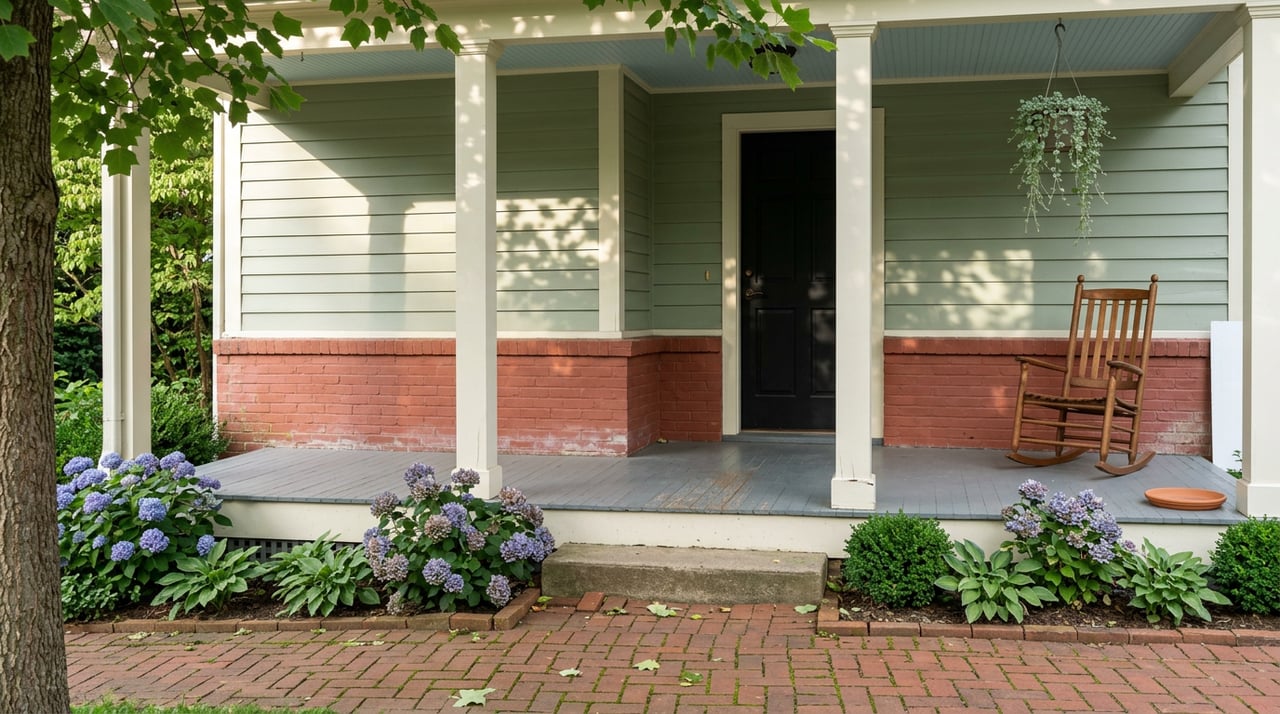
The East End is where the numbers matter less than the timing. Charleston's historic core, including the East End Historic District, holds some of the region's largest concentrations of homes built in the late 1800s and early 1900s. That age is usually treated as a cost. Right now it's also an opportunity, for two reasons that just landed at the same time.
First, West Virginia's historic rehabilitation tax credit became permanent in 2021 under legislation signed by then-Governor Jim Justice, returning 25 percent of qualifying rehabilitation costs. Unlike the federal government's 20 percent credit, which mostly applies to income-producing buildings, West Virginia's version also covers qualifying owner-occupied historic rehabilitation, according to the state Tax Division's own guidance. That guidance also spells out the friction: to qualify, rehabilitation spending during a 24-month window has to exceed the greater of $5,000 or the property's adjusted basis, and the work has to follow the Secretary of the Interior's Standards for Rehabilitation, meaning cosmetic touch-ups don't count and the state expects real, documented restoration work.
Second, the East End's renewal plan just came back online after sitting expired for a year and a half. The Charleston Urban Renewal Authority, which has run redevelopment work in the city since 1952, is now drafting a fresh action plan for the corridor along Washington Street East. That process typically opens the door to land assembly help, facade grants, and coordination that a lapsed plan can't offer.
Put those two facts together and the East End isn't just "the affordable option." It's the neighborhood where the incentive structure changed in the last three weeks, while South Hills and Kanawha City kept doing what they've always done.
What Today's Rate Does to These Numbers
Freddie Mac's Primary Mortgage Market Survey put the 30-year fixed rate at 6.69 percent as of August 6, 2026, its highest weekly reading in about a year. Run that rate against an 80 percent loan on the South Hills median versus the Kanawha City median and the monthly principal-and-interest difference comes out to roughly five dollars. Five dollars a month, on two neighborhoods with entirely different housing stock, entirely different price dispersion, and entirely different commercial corridors.
That's the clearest way to say the thesis out loud. The payment math doesn't distinguish between these neighborhoods at all right now. Everything that actually separates South Hills from Kanawha City from the East End happens in the housing stock, the surrounding blocks, and, this month specifically, in which one just had its incentive structure change.
Questions Worth Asking Before You Pick a Pocket
- Are you comparing a single month's median, or a full year of sales? South Hills can move a lot between the two.
- Does the property you're looking at in the East End fall inside the historic district boundary, and would rehabilitation work there actually clear the 24-month spending threshold for the state credit?
- Is your comfort with an older home's systems and structure part of your decision, separate from price?
- Are you weighing walking distance to Bridge Road or MacCorkle Avenue as part of daily life, not just a line on a listing sheet?
A Few Common Questions
Is South Hills out of reach if I have a modest budget? Not necessarily. The neighborhood's wide range means smaller cottages and ranch homes exist in the same footprint as much larger properties. The median doesn't tell you which one you're looking at, so the individual listing matters more here than in a tighter market like Kanawha City.
I already own a home in the East End. Does the blight declaration affect me? The July vote authorizes the Urban Renewal Authority to draft a new area plan for parts of the East End. It's a planning and funding step, not a judgment on any individual property's condition. It does mean corridor-level conversations about Washington Street East are starting back up after a long pause.
Are mortgage rates likely to come down soon? Rates were sitting near a one-year high in early August 2026, and most housing economists tracking the market weren't expecting a return below 6 percent in the near term. Worth building your math around today's number, not a hoped-for one.
If any of this raises a specific question about your budget, your target block, or whether a particular East End property would actually qualify for that state credit, I'd rather walk through real listings with you than leave you with more averages. Reach out through Jan Ramey and let's talk about which Charleston neighborhood actually fits what you're trying to do. Let's Connect.