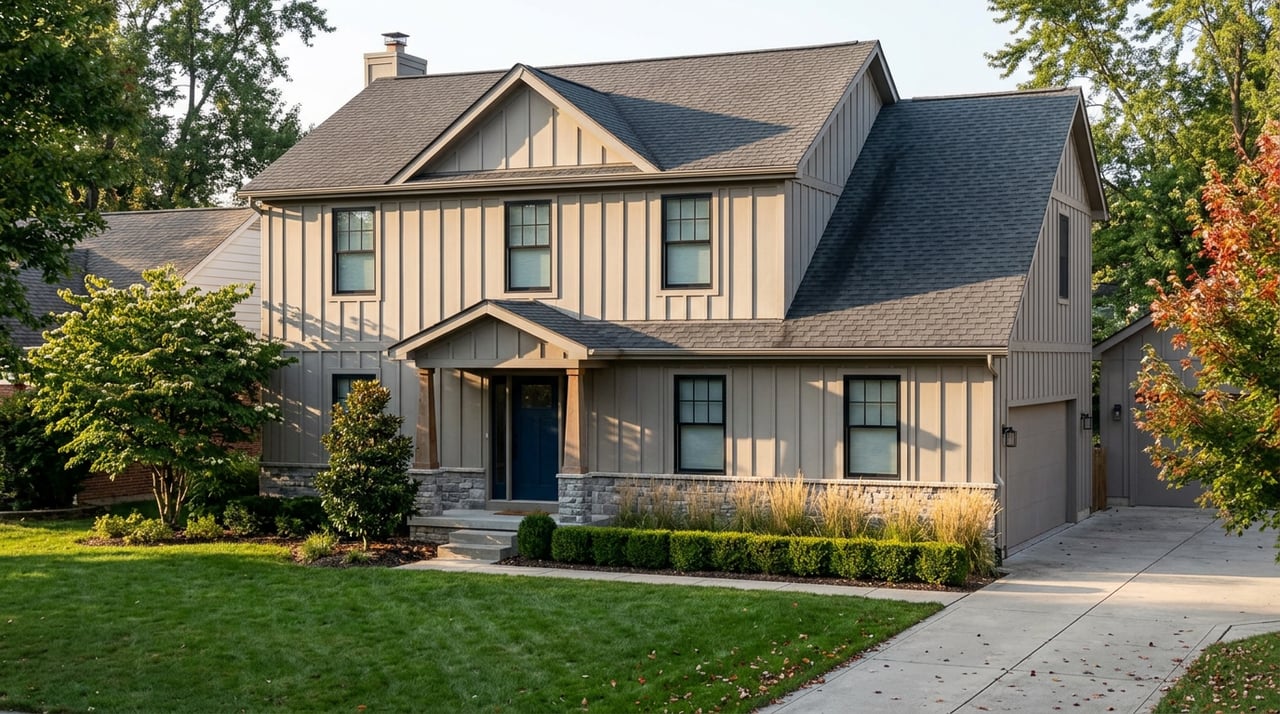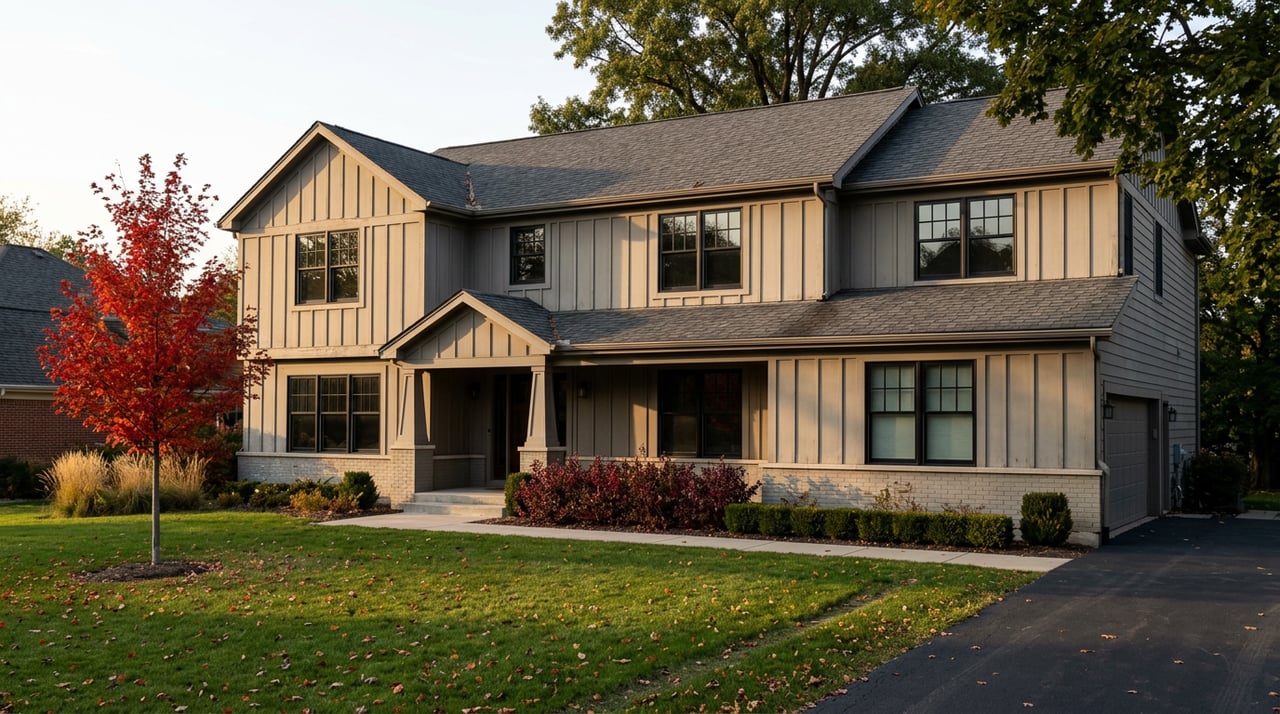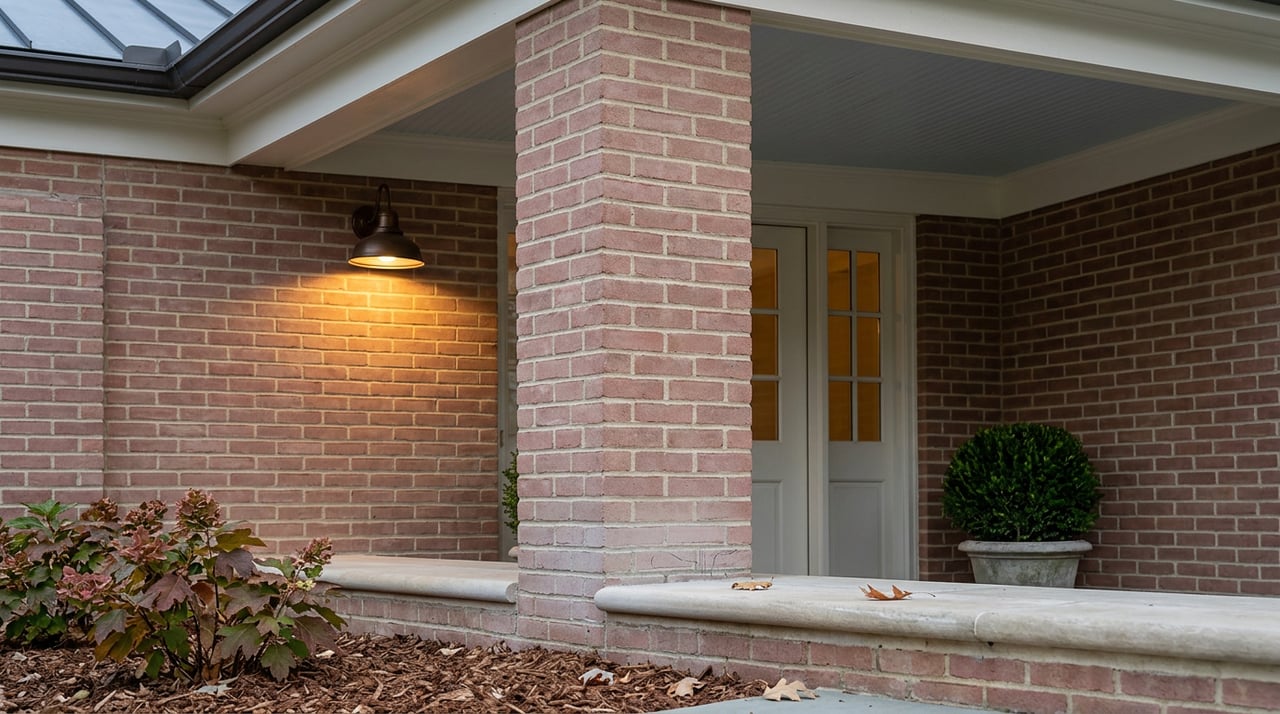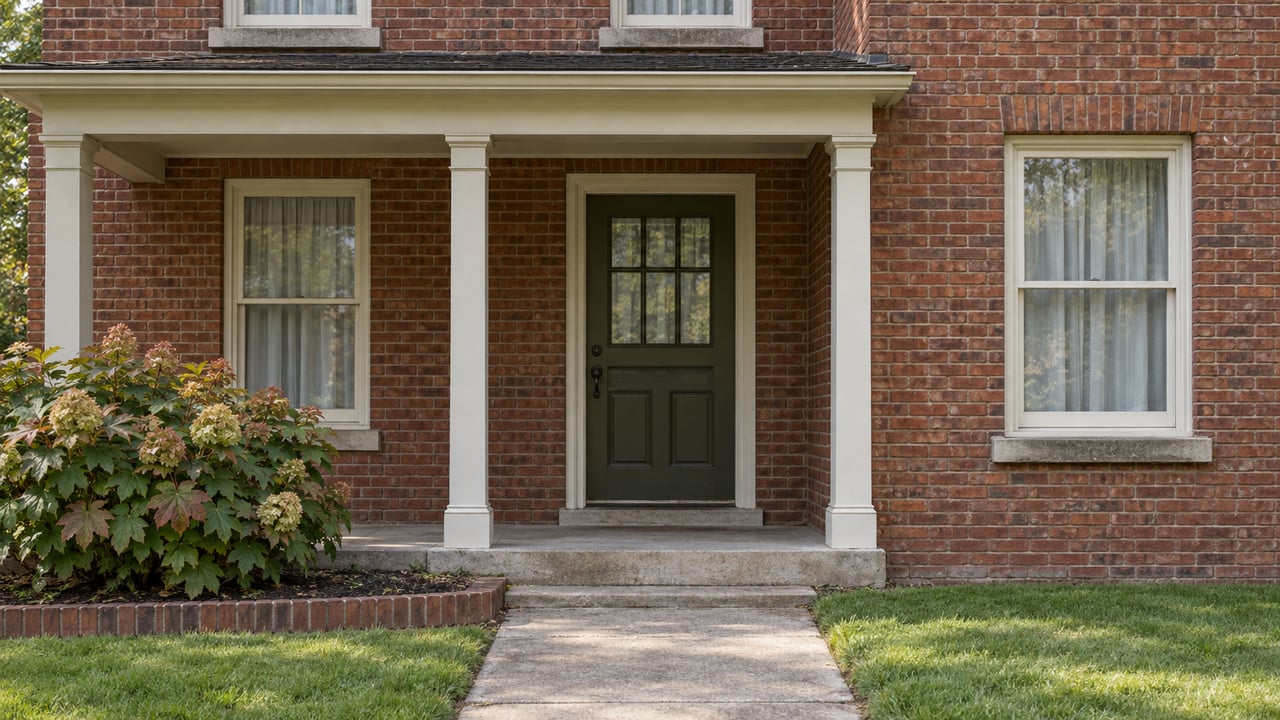
A buyer touring a Tudor Revival on the streets ringing Ritter Park usually asks the same question before they ask about the roof: what am I allowed to change? They've heard the phrase "historic district" and pictured a review board, a paint chart, a permit process for swapping out a porch railing. It's a reasonable thing to worry about. It's also, on its own, not the thing that ends up costing money at closing.
Ritter Park Historic District is listed on the National Register of Historic Places, a status the park and its 68 contributing buildings earned in 1990 for architecture built between 1913 and 1940. That listing is a designation, not a permission structure. It doesn't put a private owner's repainting or rewiring decisions in front of a design review commission. What it actually does is date the neighborhood, and that date is where the real friction starts.
What The National Register Actually Covers
The homes in this district represent, according to the district's own architectural record, some of the era's most sought-after styles: Prairie, Bungalow and Craftsman, Tudor Revival, Foursquare, Colonial Revival, Italian Renaissance Revival, Neoclassical. That range is part of why one area resident described the neighborhood's feel as "a sense of place and the feel of home" when the American Planning Association named Ritter Park one of the country's Great Public Spaces in 2012.
None of that architectural pedigree changes what a private owner can do with their own money on their own house. A National Register listing is a recognition of significance, tied most directly to eligibility for certain tax incentives on qualifying rehabilitation projects. It doesn't function like a local historic overlay with its own commission approving window replacements. If you're buying near Ritter Park expecting a bureaucratic hurdle before you can update a kitchen, that hurdle mostly isn't there. The hurdle that is there sits underground and inside the walls, and it applies whether the house sits inside the formal district boundary or three blocks over in Highlawn.
The Date Range Cuts Both Ways
Here's the detail that actually matters for a transaction: 1913 to 1940 is the period that makes these homes eligible for the National Register. It's also, entirely coincidentally, a period that guarantees every one of them falls under a federal disclosure requirement that has nothing to do with historic status at all. Federal law requires sellers to disclose known lead-based paint hazards on any home built before 1978. Every contributing structure in the Ritter Park district, by definition of its own listing date, clears that bar by decades.
That single overlap is worth sitting with. The same age that makes a house architecturally significant is the age that triggers a mandatory disclosure a buyer can actually count on. Almost nothing else about the transaction works that way in West Virginia.
West Virginia Doesn't Require A Seller To Fill Out A Form
West Virginia is a caveat emptor state. Unlike many neighboring states, it does not require sellers to complete a standardized written disclosure statement covering the condition of the home. A seller can decline to fill one out, and a buyer can waive the right to receive one, without either side violating state law. That doesn't mean a seller can lie. Real estate licensees still have a professional duty not to misrepresent a known defect, and a broker who's aware of a material fact has to disclose it even if the seller stays silent. But there's no state form walking a buyer through the plumbing, the electrical panel, or the foundation the way there would be in a mandatory-disclosure state.
For a house built in 1925 near the park, or in the 1940s and 50s further out in Walnut Hills and Westmoreland, that gap matters more than it would in a newer subdivision, because there's simply more inside an older house that could be a problem the seller never had a reason to look at closely. The lead paint rule is federal and mandatory. Almost everything else about disclosure in this market is voluntary, which means the burden of finding out shifts almost entirely onto the buyer's own inspection choices.
The Systems Nobody Sees From The Sidewalk
Huntington's older core reads differently street to street. Tudor Revival and Foursquare homes cluster around Ritter Park and Highlawn. Brick bungalows run through the Southside. Victorian-era houses sit downtown. Post-war ranches fill in Walnut Hills and Westmoreland. What connects most of it is what's inside the walls rather than what's on the facade: plaster interiors, remnants of knob-and-tube wiring, galvanized supply lines, and cast iron drains are common across pre-1970 housing stock in this part of Cabell County.
None of that shows up from the curb. A appraiser walking the exterior for value doesn't open a panel or run a camera down a drain line. A standard home inspection, the kind that checks visible, accessible components, often doesn't either unless the inspector specifically offers it. Some local inspectors do go further. One Huntington inspector who also holds a state electrician's license opens the panel himself and checks it with a thermal camera, on the reasoning that many general home inspectors aren't required to do that and often don't. That's a useful thing to ask about before you hire someone, not after the report comes back thin.
The other system worth asking about is the one furthest from view: the sewer lateral running from the house to the street. Houses built before the 1990s commonly used clay piping, which cracks or shifts at the joints after decades in the ground. A standard inspection typically doesn't include a camera scope of that line unless it's added separately.
What The Add-On Inspections Actually Cost
For a house in this age range, the inspection budget usually isn't one number. It's a base inspection plus whichever specialty checks the house's age makes worth ordering.
| Add-on inspection | Typical local range | Why it matters in this housing stock |
|---|---|---|
| Sewer scope | $150–$300+ | Clay laterals common before the 1990s can crack at joints and go undetected without a camera |
| Radon test | $100–$200 | Parts of West Virginia carry elevated radon potential regardless of a home's age |
| Well water test | $100–$300 | Relevant for properties on private wells outside city water service |
| Septic evaluation | $250–$600+ | Applies to properties not on the municipal sewer system |
| Termite/WDO inspection | $50–$150 | Standard for older wood-frame construction, often required by lenders |
| Appraisal | $400–$800 | Set by the lender, separate from and not a substitute for a physical inspection |
Treat all of these as estimates that move with the season and the provider. The point isn't the exact dollar figure. It's that a house old enough to carry Tudor Revival trim or a Foursquare porch is also old enough that the base inspection is the starting line, not the finish line.
What This Means If You're Selling
Since West Virginia doesn't require a disclosure form, a seller in this part of Huntington has a choice most sellers in mandatory-disclosure states don't get: whether to get ahead of the plumbing and electrical questions before a buyer's inspector finds them, or wait and negotiate after the fact. Ordering a sewer scope or a panel check before listing costs money up front, but it also means any defect gets priced into the listing on your terms rather than renegotiated under contract, when a buyer's leverage is highest and the timeline is shortest. A seller who documents known issues honestly, even without a mandatory form, tends to close with fewer surprises and fewer arguments in the final week.
What This Means If You're Buying
Budget for the add-ons before you're three weeks from closing and hearing about a sewer scope for the first time. Ask any inspector you're considering whether they open the electrical panel and whether a sewer camera is included or separate. Ask about the age of the plumbing specifically, not just whether it "passed." And keep the lead paint disclosure in perspective: it's the one document you're guaranteed to receive on a pre-1978 home in this market, but it covers paint, not wiring, not pipes, and not the foundation.
A Few Common Questions
Does buying in a National Register historic district mean I need approval to renovate? Being listed on the National Register recognizes a property's historical significance and can affect eligibility for certain rehabilitation tax incentives. It does not, by itself, create a design review process for a private owner making repairs or updates with their own funds.
Is West Virginia's lack of a mandatory disclosure form unusual? It's less common than the alternative. Many neighboring states require a standardized written disclosure. West Virginia does not, though sellers still can't misrepresent known defects, and real estate agents carry a separate duty to disclose material facts they're aware of.
Does the lead paint disclosure rule only apply inside the historic district? No. It's a federal requirement tied to construction date, not neighborhood designation. Any home built before 1978, whether it's a contributing structure near Ritter Park or a post-war ranch in Walnut Hills, falls under it.
If you're weighing an older home near Ritter Park, in Highlawn, or anywhere else in Huntington's original neighborhoods, I'd rather walk you through what the age of the house actually means for your inspection list before you write an offer than after. Let's Connect, and we'll go through it house by house.