Trying to choose between a condo and a house in Charleston, WV? You are not alone. Many buyers like the idea of lower-maintenance living, but also do not want to give up space, privacy, or flexibility. The right choice depends on how you want to live, what monthly costs you can comfortably handle, and what kind of ownership responsibilities you want to take on. Let’s break it down.
Charleston inventory looks different
In Charleston, condos and houses do not show up in the market the same way. Realtor.com’s Charleston market overview shows 341 homes for sale with a median list price of $155K, while Redfin’s Charleston condo search shows a much smaller condo inventory.
That difference matters when you start your search. If you want a detached house, you will usually have more options across the city. If you want a condo, your search will often be narrower and more focused on specific buildings and corridors.
Where condos are common
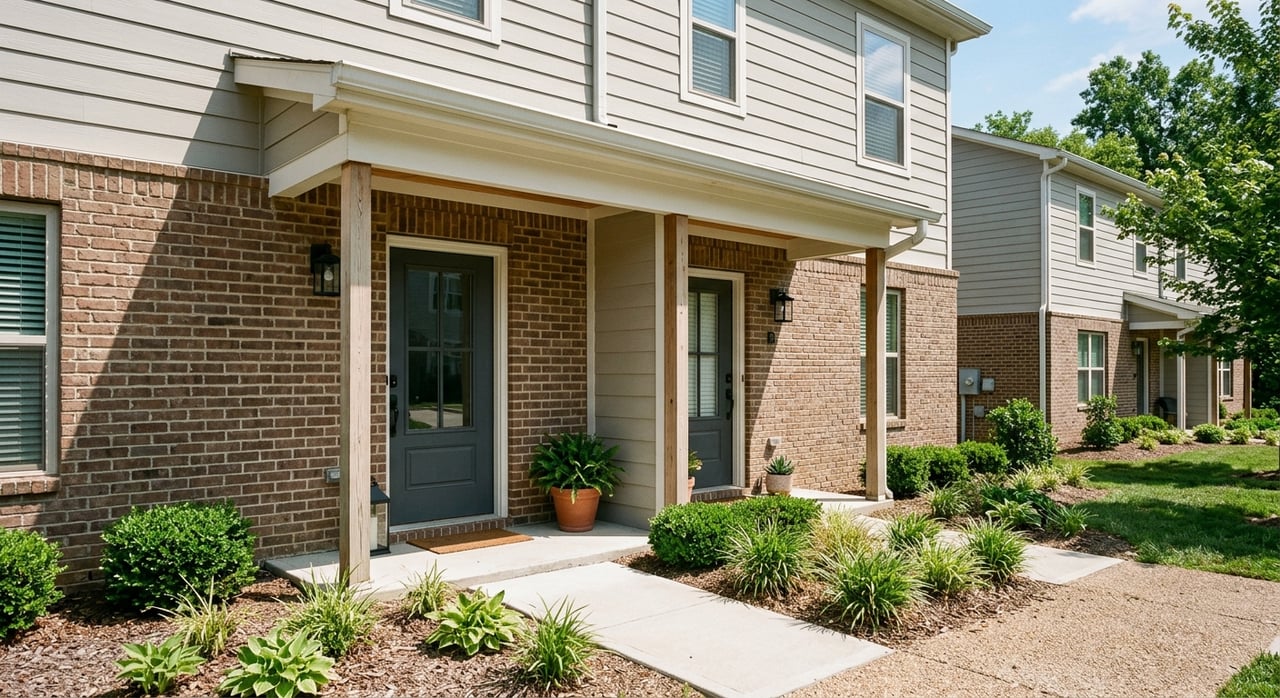
Condo inventory in Charleston tends to cluster downtown, in the East End, and along Kanawha Boulevard. Buildings and listings in these areas often highlight walkable locations, river views, secure entry, private parking, elevators, and shared amenities.
For example, Terrace Park East notes its riverfront setting and location near the State Capitol. That helps explain why condo buyers in Charleston are often choosing not just a home, but also a building lifestyle and a more central location.
Condo pricing can vary a lot
A condo is not always the bargain option. While the research suggests condos in Charleston are often a lower-priced entry point overall, pricing varies widely depending on the building, location, condition, and amenities.
Some current condo examples are priced around the low to mid-$100,000s, while some downtown units are listed above $400,000. That means you should look beyond the list price and compare the full monthly cost, including dues.
Where houses are common
Detached homes are more widely available in residential areas like South Hills and Kanawha City. In these parts of Charleston, your search is usually more neighborhood-based than building-based.
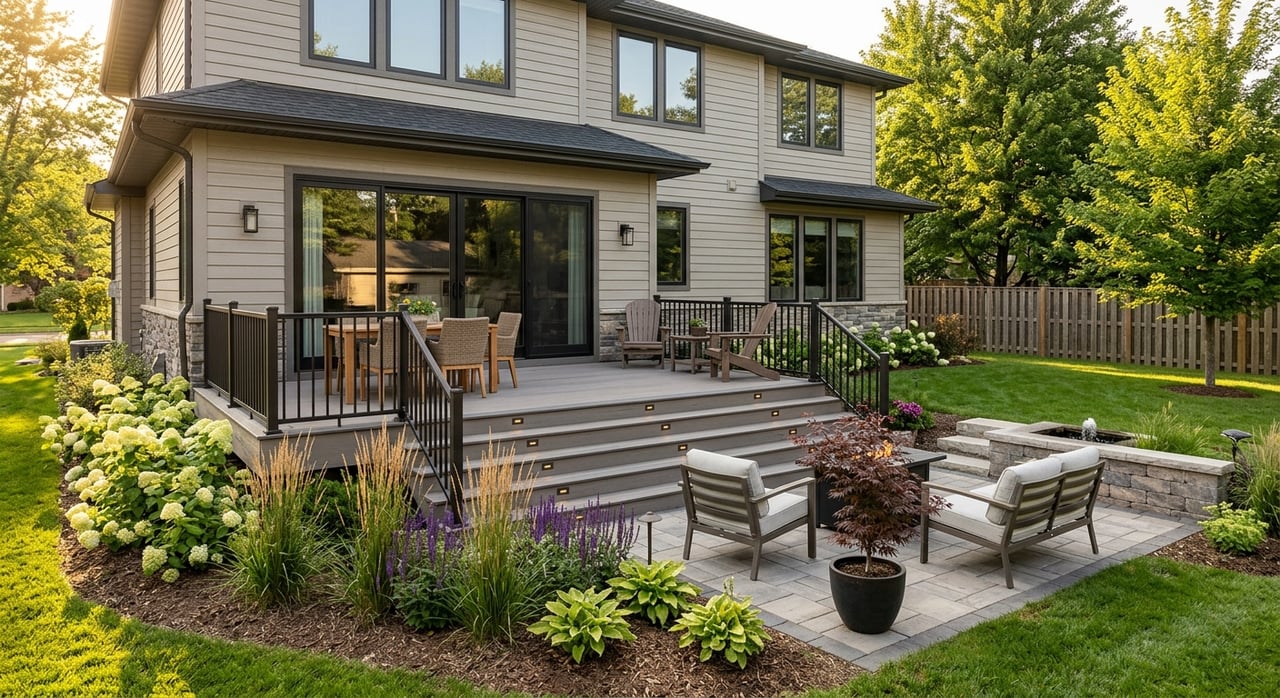
Local house listings in these areas often feature things buyers specifically want more room for, such as decks, fenced yards, screened porches, and larger lots. Redfin’s South Hills market page shows a median sale price of about $244K, which gives useful context if you are comparing central condos with neighborhood houses.
Compare the monthly cost carefully
One of the biggest mistakes buyers make is comparing a condo payment to a house payment without looking at the whole picture. A condo may have a lower purchase price, but the monthly dues can change the math.
The Consumer Financial Protection Bureau says buyers should budget for mortgage payments, taxes, insurance, utilities, maintenance, repairs, closing costs, and an emergency cushion. With condos, you also need to factor in association dues as part of your true housing cost.
What HOA dues may cover
Freddie Mac explains that HOA fees may help pay for shared-area maintenance and services like trash removal, snow removal, lawn care, and amenities such as pools or recreation spaces. In Charleston condo buildings, those dues may also connect to features like parking, security access, and on-site conveniences.
That can be a real benefit if you want less day-to-day upkeep. But it is important to ask exactly what is included, because dues can vary and the value depends on what you actually use.
Ask about special assessments
Monthly dues are not the only number to review. HUD housing counselor training materials note that associations can levy special assessments for major projects and repairs.
That means if a building needs a large repair, owners may have to pay extra beyond regular monthly dues. Before buying a condo in Charleston, ask about reserves, past assessments, and whether any large repairs are expected.
Maintenance works very differently
This is often the clearest dividing line between a condo and a house. With a condo, you usually own your unit, while the association handles common elements according to the governing documents and state law.
Under West Virginia law, maintenance of common elements is generally the association’s responsibility, while the unit owner is responsible for the unit unless the declaration says otherwise. In plain terms, that can mean less exterior work for you, but also less direct control over how and when certain shared items are addressed.
Houses give you more control
With a detached house, you are typically the one responsible for the roof, yard, exterior, and repairs. That creates more work, but it also gives you more freedom to manage the property your way.
If you like the idea of choosing your own contractors, planning outdoor projects, or making improvements without shared-building rules, a house may feel like a better fit. If you would rather trade some flexibility for convenience, a condo may make more sense.
Lifestyle matters as much as price
Your daily routine should carry real weight in this decision. In Charleston, condos and houses often support very different lifestyles.
Condo living downtown or in the East End can be appealing if you want a more central location and less exterior upkeep. Redfin’s walkability data shows Charleston overall has an average Walk Score of 33, while East End is much more walkable at 67.
When a condo may fit better
A condo may be a strong match if you want:
- Lower day-to-day exterior maintenance
- A more central Charleston location
- Building amenities or shared conveniences
- Less yard work
- A building with features like secure entry, parking, or elevator access
This type of setup can be especially appealing if you spend a lot of time away from home, want a simpler routine, or prefer a lock-and-leave style property.
When a house may fit better
A house may be the better choice if you want:
- More privacy
- Private outdoor space
- Room for gardening, entertaining, or pets
- Greater control over the property
- A broader range of neighborhood options
In Charleston, that tradeoff is easy to see. Downtown condos often emphasize location and convenience, while detached homes in neighborhoods like South Hills and Kanawha City more often offer yard space and separation from shared walls.
Financing and resale can differ
Another important difference is what happens when you finance the property now or sell it later. Condos can be more building-specific from a lending standpoint.
HUD explains that FHA condominium financing requires the project to be FHA-approved or to meet Single-Unit Approval requirements. Freddie Mac also uses condo project eligibility reviews. So when you buy a condo, the building itself can affect financing in ways that usually do not apply to a detached house.
Why that matters later
When it is time to sell, a condo’s resale strength can depend on both your unit and the health of the association. Buyers may look closely at dues, reserves, insurance, and whether the building has had assessment issues.
HUD training also advises buyers to review the association’s master insurance policy before buying their own coverage, because there can be gaps between what the association insures and what the unit owner needs to cover personally. That is one more reason to ask detailed questions before you commit.
A simple way to decide
If you feel torn, start with your top priorities rather than the property type itself. Ask yourself which of these matters more right now:
- Lower maintenance or more independence
- Central location or more space
- Shared amenities or private outdoor living
- Simpler exterior upkeep or full property control
- A building-focused search or a neighborhood-focused search
For many Charleston buyers, the rule of thumb is simple: choose a condo if your priority is low-maintenance living, a central location, and building amenities. Choose a house if your priority is privacy, outdoor space, and more control over the property.
What to review before you choose
Before you make an offer on either property type, review these items carefully:
- Your full monthly payment, not just the mortgage
- Insurance needs and coverage details
- Expected maintenance and repair costs
- HOA dues, if applicable
- Association rules and restrictions, if applicable
- Special assessment history, if applicable
- Location fit for your daily routine
- Long-term resale considerations
The best choice is the one that supports how you want to live now and what you want your next few years to look like.
If you are weighing condo versus house in Charleston, having someone walk you through the numbers, the neighborhoods, and the practical pros and cons can make the decision much clearer. If you want calm, local guidance as you compare your options, Jan Ramey is here to help.
FAQs
Should you buy a condo or house in Charleston, WV, if you want lower maintenance?
- A condo is often the better fit if your main goal is less exterior upkeep and more shared maintenance handled by an association.
Are condos in Charleston, WV, always cheaper than houses?
- No. Charleston condo prices vary widely, and the true cost depends on the unit price, monthly dues, and what the HOA covers.
What should you ask before buying a Charleston condo?
- Ask about monthly dues, what the dues cover, special assessments, reserve funds, rules, insurance, and any major repairs that may be coming.
Is a house in Charleston, WV, better if you want a yard?
- In many cases, yes. Detached homes in areas like South Hills and Kanawha City more often offer private outdoor space, decks, porches, and larger lots.
Do condos in Charleston, WV, have different financing rules?
- Yes. Condo financing can depend on the building and project eligibility, especially for certain loan types like FHA loans.